2026-10-04 · Insights · By Tu Chung-Hsuan · 中文版
What Is Social Farming? How It Differs from Sheltered Farms
The short answer: a social farm is a farm built around agricultural production, where people who need support take part in real growing-and-selling work and become part of the wider community. It can look similar to sheltered workshops, horticultural therapy or leisure farms. The difference comes down to three things: whether farming is the main business, whether participants are doing real production work, and how the farm divides responsibilities with social-welfare and medical services.
Selvans Social Farm runs on the social farming model: based in Daxi, Taoyuan, we grow, process and sell herbs together with 8 partner farms.
What is social farming, and how does the EU define it?
Social farming developed earlier in Europe, where it is also often called care farming or green care.
In its 2012 opinion "Social farming" (NAT/539), the European Economic and Social Committee (EESC) described social farming as an innovative approach that brings together two concepts: multifunctional agriculture and local social services or health care. The opinion noted that a growing number of agricultural initiatives across EU member states support disadvantaged people, with aims that include rehabilitation, reintegration into society or the labor market, and training and education. The shared goal is to help excluded and disadvantaged people return to society.
A new EESC opinion adopted on September 24, 2026, "Social farming as a tool for innovation in agriculture," calls social farming an innovative practice that "combines agricultural production with social, health, care and educational services," and emphasizes several points:
- It is agricultural innovation, not just a welfare activity;
- Activities should have clear origins and quality, meet ethical and environmental standards, and offer fair wages and safe working conditions;
- It can broaden farm income, create jobs and improve the economic viability of the farm itself.
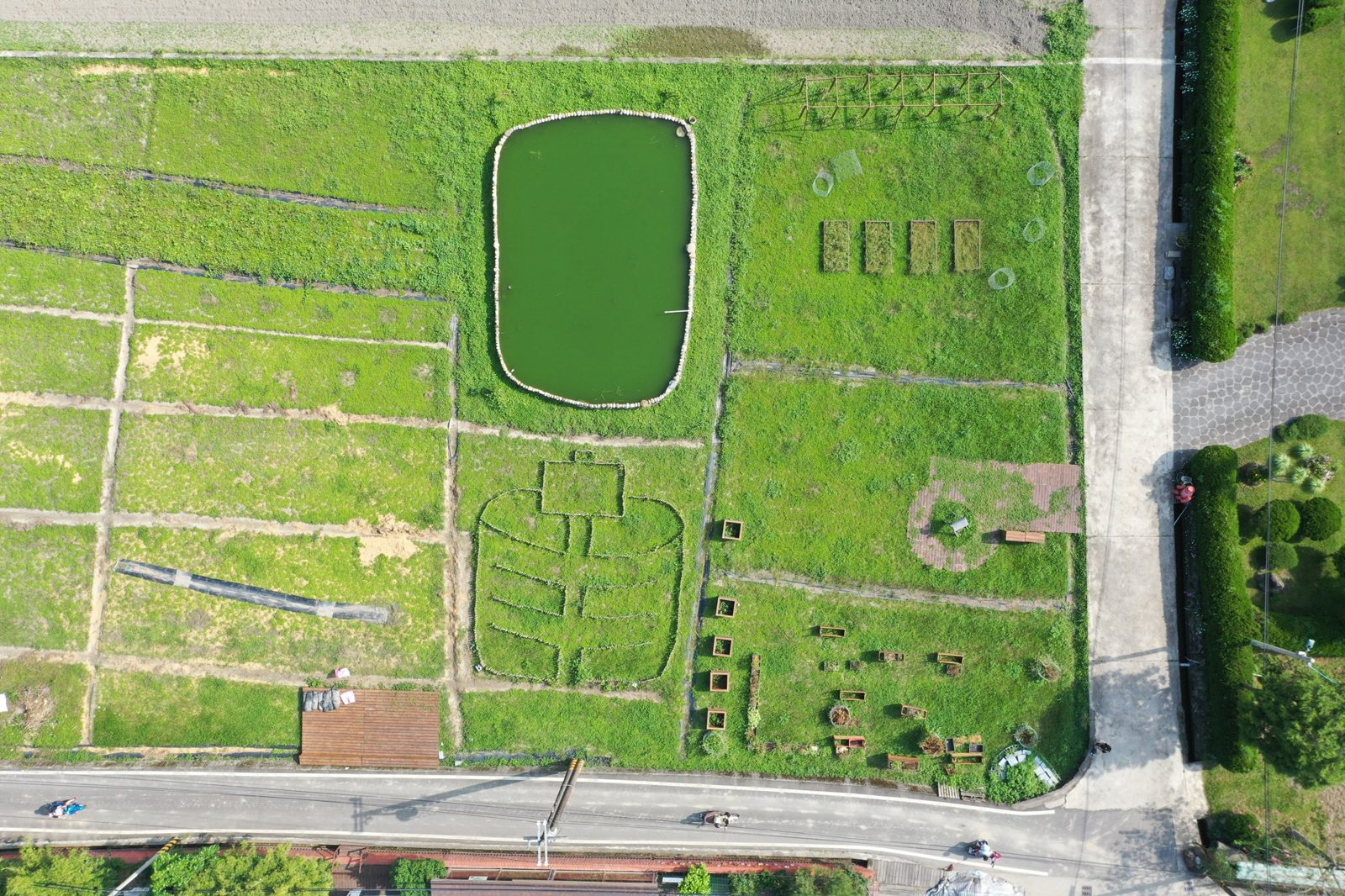
How can you tell whether a farm is a social farm?
Based on the two opinions above, we've pulled together four things to look for. (This is our own summary, not a set of legal criteria listed by the EESC.)
1. Agricultural production comes first
The farm actually produces agricultural products. It is not mainly about events or classes, with farm work used only as material.
2. Participants work in real production
Participants do work the farm genuinely needs, guided by the principle of fair wages and safe conditions.
3. The farm can stand on its own
It stays economically viable through production and sales, not by relying only on subsidies or donations.
4. Clear division of roles with welfare and medical services
The farm is responsible for agricultural production and the working environment. Care, assessment and medical expertise stay with the appropriate service systems.
What similar models are common in Taiwan, and how do they differ?
Taiwan currently has no dedicated legislation for "social farms." What you'll commonly see are the following related models. Each serves its own purpose; the difference lies in where they start from and what sits at their core.
| Model | What sits at its core | What participants mainly do | How it differs from a social farm |
|---|---|---|---|
| Sheltered workshops / sheltered farms | The social-welfare system (employment services for people with disabilities) | Sheltered employment | Legally defined as an employment service for people with disabilities; a social farm centers on agricultural production and isn't limited to people with disabilities |
| Farms run by social-welfare organizations | The organization's care goals | Part of the organization's services | Production and sales are often secondary; a social farm is primarily a farming business, working in partnership with social-welfare organizations |
| Horticultural therapy and therapeutic activities | Classes and activities | Taking part in classes | May not involve agricultural production or sales; supplementary in nature and no substitute for medical care |
| Leisure farms with inclusive activities | Tourism and experience services | Experience tours | The main business is tourism; a social farm's main business is agricultural production |
| Ministry of Agriculture "Rural Community Green Care" | Community care policy | Community gardens, gardening classes | A care policy, not a farm business model |
Sheltered workshops / sheltered farms
Set up under the People with Disabilities Rights Protection Act, they provide "sheltered employment" for people with disabilities. Workers are employees, and products are sold to the public. The difference: legally, it is an employment service for people with disabilities, rooted in the welfare system. A social farm is rooted in agricultural production, and participation isn't limited to people with disabilities.
Farms run by social-welfare organizations
A social-welfare organization or an offender-rehabilitation organization obtains land and farms it itself, and the farm becomes part of the organization's services. The difference: the farm serves the organization's care goals, so production scale and sales are often secondary. A social farm is first a farming business, working with social-welfare organizations through a clear division of roles.
Horticultural therapy and therapeutic activities
Gardening or farm activities are used as supplementary classes, usually designed by trained facilitators, with participants depending on the program. The difference: the focus is the activity or class itself, which may not involve agricultural production or sales. These activities are supplementary and are no substitute for medical care.
Leisure farms with inclusive activities
These are built around leisure agriculture, open to visitors, with inclusive activities added to the tour experience. Academic research has also looked at the feasibility of setting up sheltered farms within leisure farms. The difference: the main business is tourism and experiences; a social farm's main business is agricultural production.
Ministry of Agriculture "Rural Community Green Care"
A program promoted by Taiwan's Ministry of Agriculture that cares for older rural residents through community gardens, gardening classes and similar activities. The difference: it is a community care policy centered on communities and older residents; a social farm is a way of running a farm.
What does Selvans believe?
Bring the work to where people are. Most social services take people out of their everyday lives, train them, and then send them back. Selvans does it the other way around: we help social-welfare organizations grow a supply chain on their own land. That kind of support doesn't stop when a project ends, because it was there all along.
Not "beneficiaries," but "co-producers"
The people working in the fields are genuinely producing: the herbs they grow are purchased by Selvans, processed and sold, and the income goes back to the farm. "We grew this ourselves" is what the word means.
Adapt the work to the person, not the person to the work
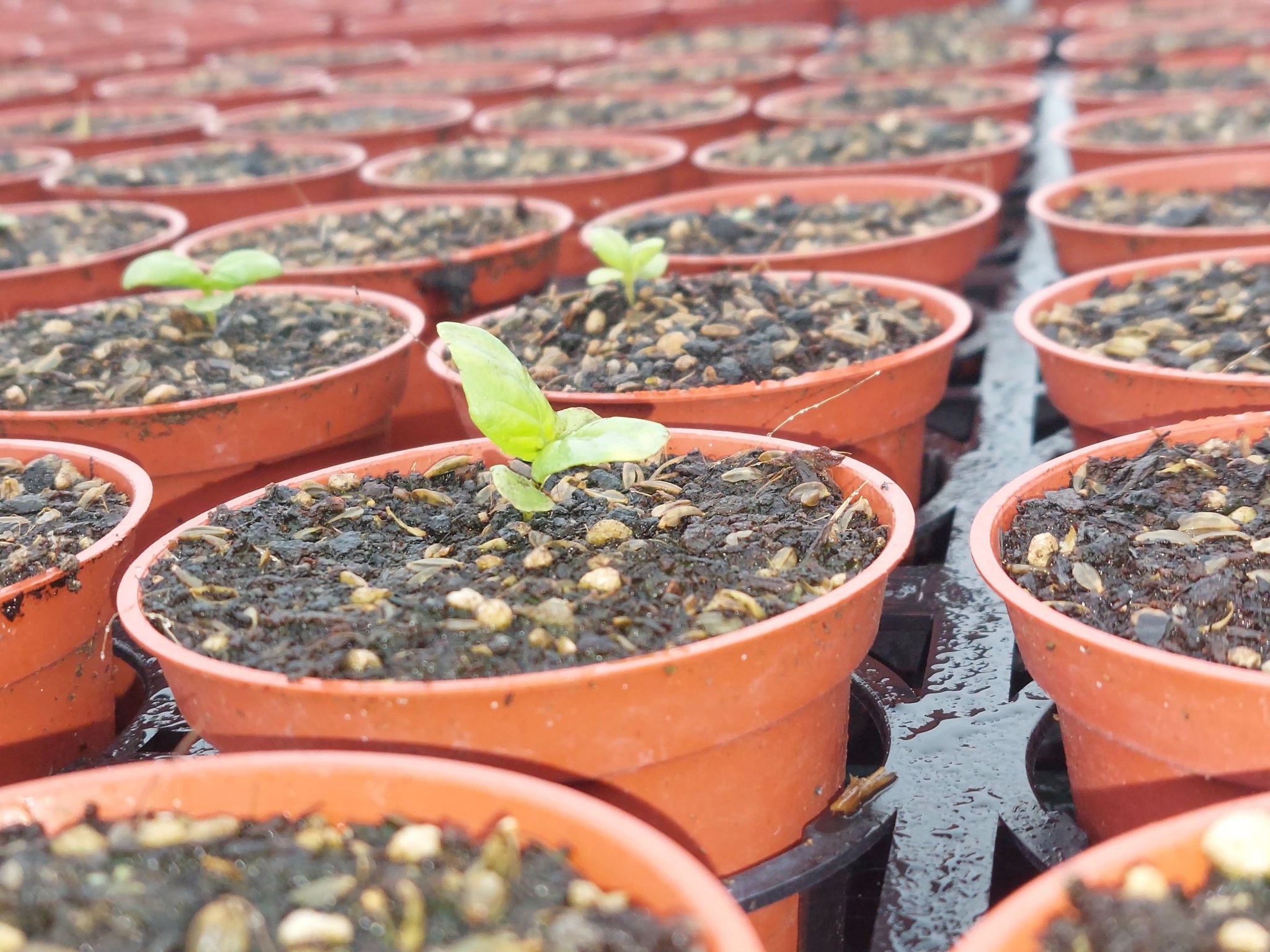
When a task is too abstract, we break it down and redesign it. For example, "fill it 80% full" is hard to judge when potting seedlings, so we designed the container first: fill it to the top, pour it in, and it comes out at exactly 80%. Designing work around people's abilities is something Selvans does on the farm every day.
Farms where people already live, each side doing what it does best
- Farms are set up in the same county or city as the partner organization, so the people it serves don't have to leave a familiar environment;
- Selvans provides seedlings, technical know-how and purchasing, so organizations don't have to become farming experts first;
- Care and services stay with the social-welfare organization's professionals, while Selvans handles the supply chain and the data.
Kind to the land, honest with the numbers
Our herbs are grown with eco-friendly farming. Every work hour traces back to a partner farm's weekly report, and numbers that don't reconcile stay out of the report. What companies receive are results they can put in a sustainability report and that stand up to scrutiny.
How does Selvans Social Farm work?
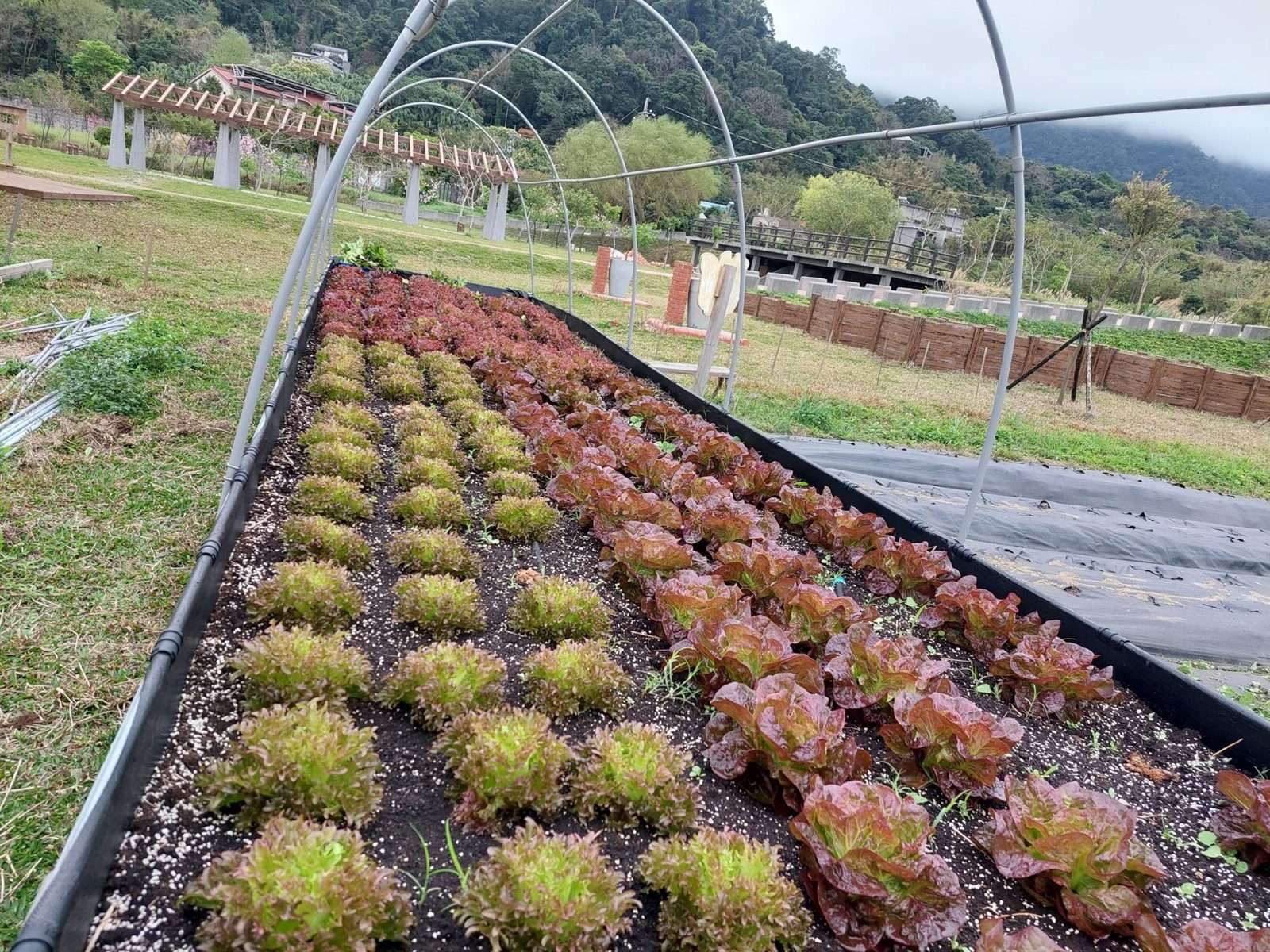
Selvans Social Farm runs on the social farming model: based in Daxi, Taoyuan, we grow herbs with 8 partner farms, then process and sell them, covering the full chain from growing to processing to sales.
In this model, the farm's role is to do agricultural production well and provide a real working environment, while care, medical and other professional services stay with the appropriate professional systems. Selvans is promoting social farming in Taiwan so that companies committed to ESG have a way to put their resources into real agricultural production. Companies can start with a corporate volunteer day or corporate gifts, and the results are published on our impact dashboard.
FAQ
What is social farming?
Social farming centers on agricultural production while combining it with social, care or educational services. The EESC's 2012 opinion (NAT/539) described it as a combination of multifunctional agriculture and local social services; its 2026 opinion emphasizes that it is agricultural innovation and should offer fair wages and safe working conditions.
How is a sheltered farm different from a social farm?
A sheltered farm (sheltered workshop) is an employment service for people with disabilities set up under the People with Disabilities Rights Protection Act, rooted in the social-welfare system. A social farm is rooted in agricultural production, isn't limited to people with disabilities, and works with social-welfare organizations through a division of roles.
Is horticultural therapy the same as social farming?
No. Horticultural therapy centers on classes and activities, is supplementary in nature, is no substitute for medical care, and may not involve agricultural production or sales. The core of a social farm is real agricultural production.
If a leisure farm runs inclusive activities, does that make it a social farm?
A leisure farm's main business is tourism and experiences, and inclusive activities are an extension of that. A social farm's main business is agricultural production, and participants take part in real growing-and-selling work.
How can companies work with a social farm on ESG?
There are three common approaches: purchasing farm products, signing long-term contract-farming agreements, and arranging for employees to take part in farm work. We suggest agreeing on goals and how results will be recorded first. Selvans Social Farm, for example, grows, processes and sells herbs with 8 partner farms, and companies can start with a purchase or a contract-farming agreement.
Scope and limitations
- This article describes types of social farms and related models. It does not evaluate or name any organization; for how each actually operates, refer to its own public information.
- The four things to look for in "How can you tell" are our own summary of the EESC opinions, not legal criteria. Taiwan currently has no dedicated legislation for social farms.
- Horticultural therapy and therapeutic activities are supplementary and no substitute for medical care.
- The only Selvans figure cited here is "8 partner farms"; for all other data, refer to the published figures on our impact dashboard.
- Supporting evidence covers only Selvans's own supply chain (our partner farms), not your company's other suppliers.
- This article offers explanation and reference material and does not constitute compliance certification.
- Selvans's data is self-declared and has not been reviewed by an external assurance provider.
- Platform-wide totals are not the same as any single company's results; what a company can claim is the share attributed to it.
- This material must not be used for carbon sink or carbon neutrality claims.
Sources
- EESC Opinion: Social farming (NAT/539, 2012) — https://www.eesc.europa.eu/en/our-work/opinions-information-reports/opinions/eesc-opinion-social-farming
- EESC: Social farming as a tool for innovation in agriculture (2026) — https://www.eesc.europa.eu/en/node/135191
- Airiti Library | A feasibility study of establishing sheltered farms within leisure farms (in Chinese) — https://www.airitilibrary.com/Article/Detail/U0042-2202201313563116
- Central News Agency | Green care for older farmers launches (2021-08-24) (in Chinese) — https://www.cna.com.tw/news/ahel/202108240143.aspx
- Sources for Selvans's philosophy: our website homepage ("We want to keep support in the same place"), the Selvans Facebook page introduction, our October Instagram post "Co-producers," and our short video "Adapt the work to the person" (all Selvans's own public content, in Chinese)
Further reading
2026-09-25
Xishou Herb Partnership: Three Years With a Social-Welfare Farm
The Xishou Herb Partnership pairs one company with one social-welfare farm for three years. How it works, what you receive and what can go in your report.
2026-09-25
How to File for Buying Power in 2026: Dates, Scoring, Documents
A guide to filing for Taiwan's Buying Power social innovation procurement awards in 2026: the purchase period, deadline, scoring tiers and documents.
2026-09-25
ESG Gift Box QR Traceability: See Where the Herbs Came From
A QR code on a corporate ESG gift box shows recipients which week and which social-welfare partner farm the herbs came from, and what stays private.
About Selvans Social Farm
Selvans Social Farm (思凡自然農園) is a social farm in Daxi, Taoyuan, Taiwan. We have farmed in Daxi since 2019 and registered as a business in 2022. We grow herbs without pesticides together with 8 farms run by social-welfare organizations in 7 counties and cities, so that people with disabilities and people in mental-health recovery have paid work on the farm.
Want to see how your company could start?