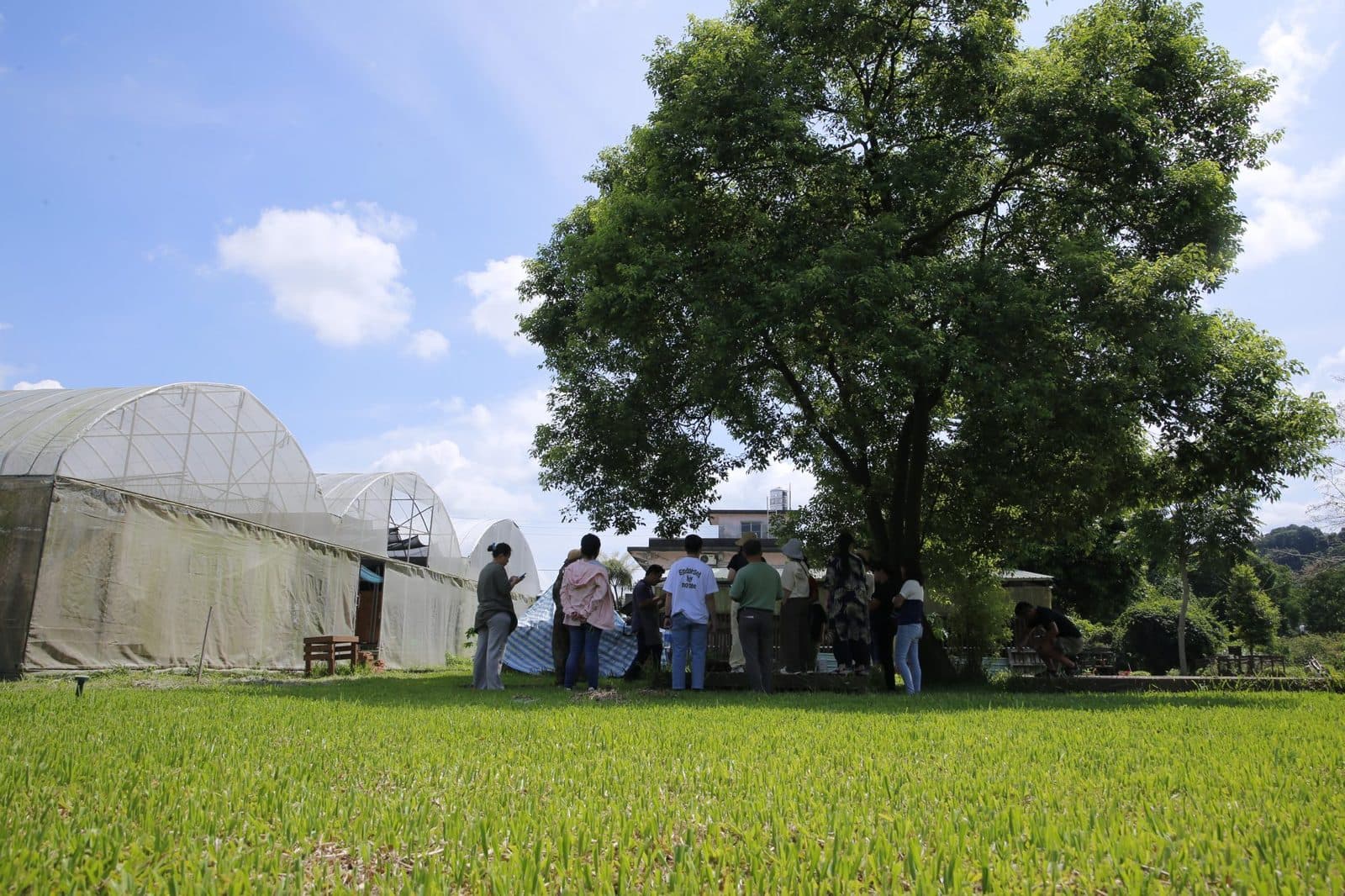
思凡自然農園
桃園市大溪區 | 思凡社會企業
育苗、技術指導與教育訓練的起點
Selvans' own base in Daxi, Taoyuan. Seedlings, growing know-how and offtake are planned here, so partner organisations can start work without first becoming farmers.
All data on this page is public and quotable. Corporate partners, journalists and researchers are welcome to link to it directly — impact here is measurable, auditable and traceable.
Sources: weekly system reporting from partner farms and the Selvans 2025 Impact White Paper | Synesgy sustainability assessment in progress
1,644person-days
Workdays by participants from disadvantaged backgrounds
Counted from daily attendance records, confirmed weekly by social workers
Partner farms report weekly → an administrator reviews each report → 173 approved reports are aggregated automatically (across 8 farms)
Most recent approved report:2026-09-28
Full methodology →8farms
Social-welfare organisation farms in the supply chain
About 1.5 ha of low-input farmland in total (farm system records)
Partner farms report weekly → an administrator reviews each report → 173 approved reports are aggregated automatically (across 8 farms)
Most recent approved report:2026-09-28
Full methodology →71%
Participants in sustained, long-term engagement
Share of participants past their first 12 weeks who still worked in the last 4 weeks
Partner farms report weekly → an administrator reviews each report → 173 approved reports are aggregated automatically (across 8 farms)
Most recent approved report:2026-09-28
Full methodology →8,528hours
Hours of work by participants from disadvantaged backgrounds
Cumulative; confirmed weekly by social workers and reviewed by administrators
Partner farms report weekly → an administrator reviews each report → 173 approved reports are aggregated automatically (across 8 farms)
Most recent approved report:2026-09-28
Full methodology →8 farms · 173 reviewed weekly reports · latest week 2026-09-28
Partner farms report fieldwork, hours, harvest and environmental conditions every week. Figures are counted only after an administrator reviews each report. The system continuously tracks 28 impact indicators across five areas — disability employment, local procurement, biodiversity, climate action and supply-chain governance — each mapped to GRI, SDG or TNFD.
Includes GRI/SDG mapping for each indicator and suggested sustainability-report sections
8 partner farms run by social-welfare organisations across 7 counties, plus Selvans' own training base in Daxi, Taoyuan. Each dot is its own supply chain: the organisation grows, Selvans supplies seedlings, know-how and offtake.
For corporate clients this map decides whether ESG-rating indicator S-3 (community development) can be claimed at all — criterion one asks for the scope of *your* community, so a farm inside your operating county is what makes the outcome yours.
Select a number to jump to that farm's story
Pins sit at township level, not at the farms' exact coordinates. County boundaries are simplified from Taiwan government open data.
Written by the partner organisations themselves; Selvans has condensed but not rewritten them.
Photos are provided by the partner organisations, which hold signed consent from everyone pictured.
桃園市大溪區 | 思凡社會企業
育苗、技術指導與教育訓練的起點
Selvans' own base in Daxi, Taoyuan. Seedlings, growing know-how and offtake are planned here, so partner organisations can start work without first becoming farmers.
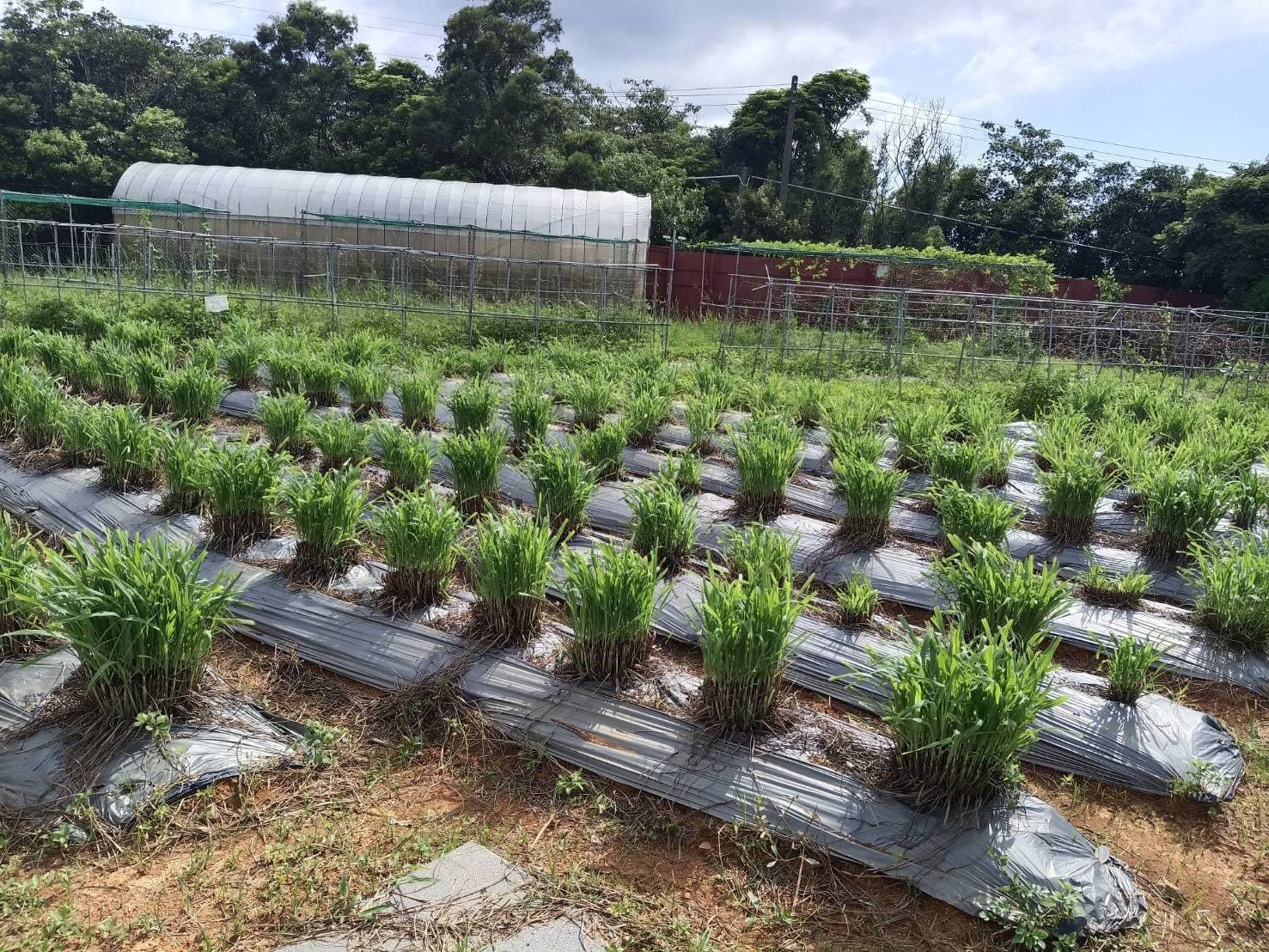
新竹縣關西鎮 | 財團法人罕見疾病基金會附設新竹縣私立關西身心障礙福利服務中心

無障礙的幸福農場
A barrier-free farm for families affected by rare diseases, combining horticultural therapy with rehabilitation. Level paths and raised planters let wheelchair users work the beds themselves — patients here are growers, not only care recipients.
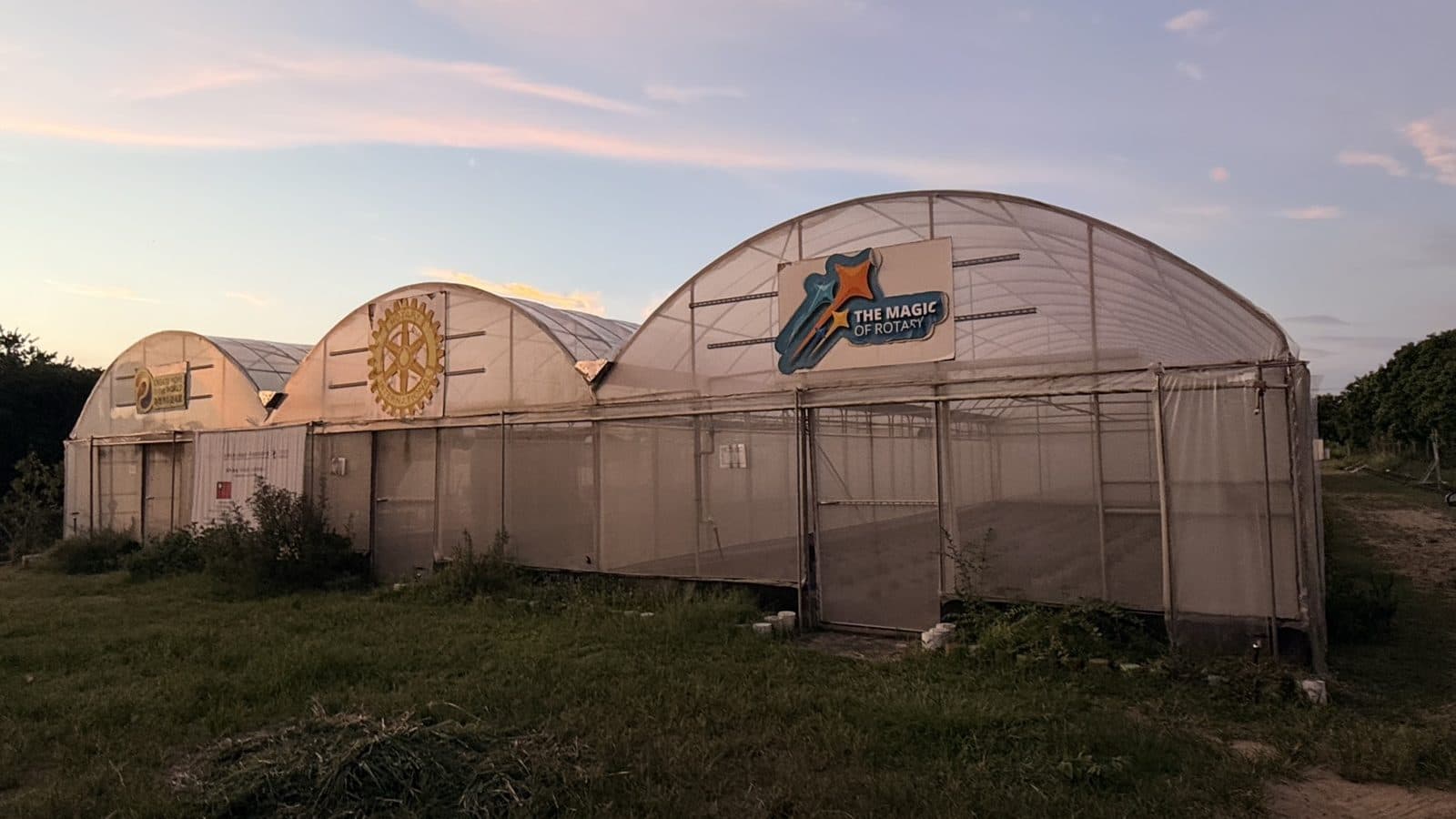
苗栗縣 | 社團法人苗栗縣自閉症協進會

做中學,學中成長
Most participants had never farmed before — some could not tell crops from weeds. Instructors demonstrate each step again and again, from tools and tilling to tending the hens. The harvest turns into pocket money they earned themselves.
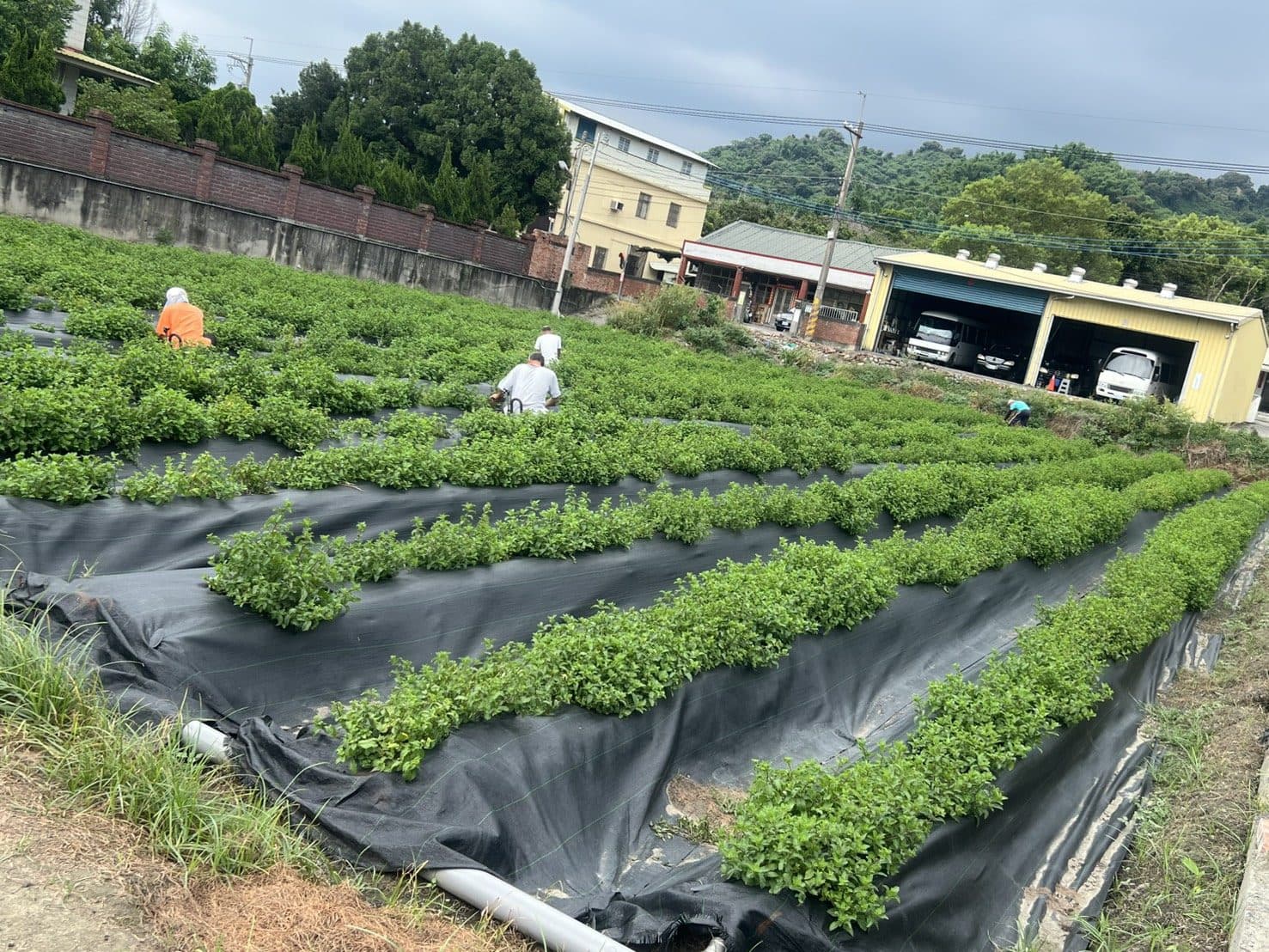
彰化縣 | 財團法人彰化縣私立真善美社會福利慈善事業基金會附設靜鴻家園

園友的樂園
A residential home for people with neurological and psychiatric disabilities, who are called “garden friends” here. The herb garden is one of their work circles — 2,445 m² leased and built out from irrigation to weed matting.
雲林縣 | 亞葵小鎮康復之家
Profile in preparation.
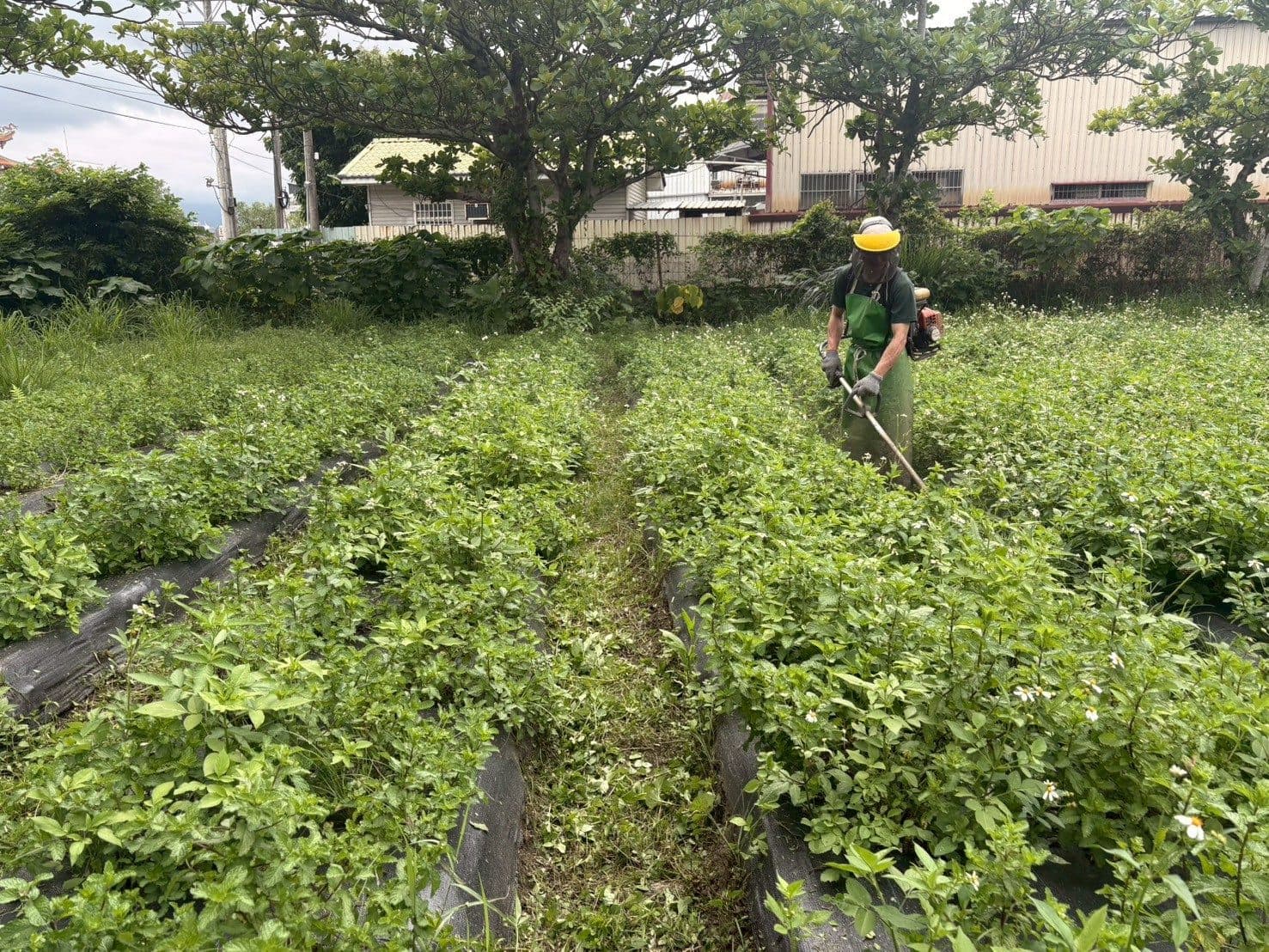
花蓮縣新城鄉 | 財團法人基督教芥菜種會
教練的薄荷田
Run by Coach Yang, who has had multiple cardiac stents and still coaches the home's baseball team at weekends. The soil is rich enough that the mint needs watering only weekly — the weeds, however, are a daily job.
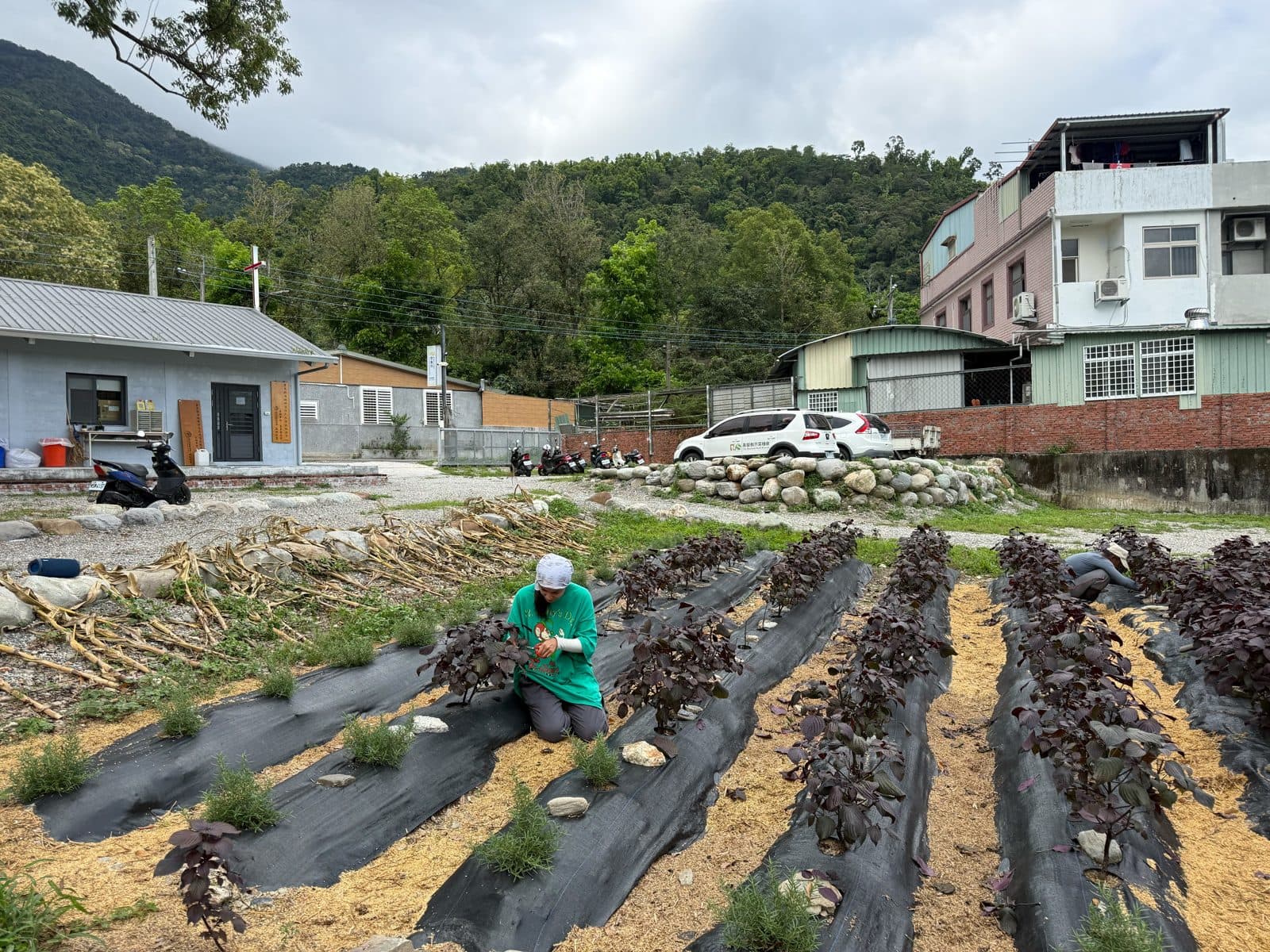
台東縣關山鎮 | 財團法人基督教芥菜種會

習藝而得著
Mustard Seed Mission's work-based rehabilitation programme. One team member has dialysis every week and cares for a father who has had a stroke; farm work flexible enough to fit around treatment is what let him rebuild both income and skills.
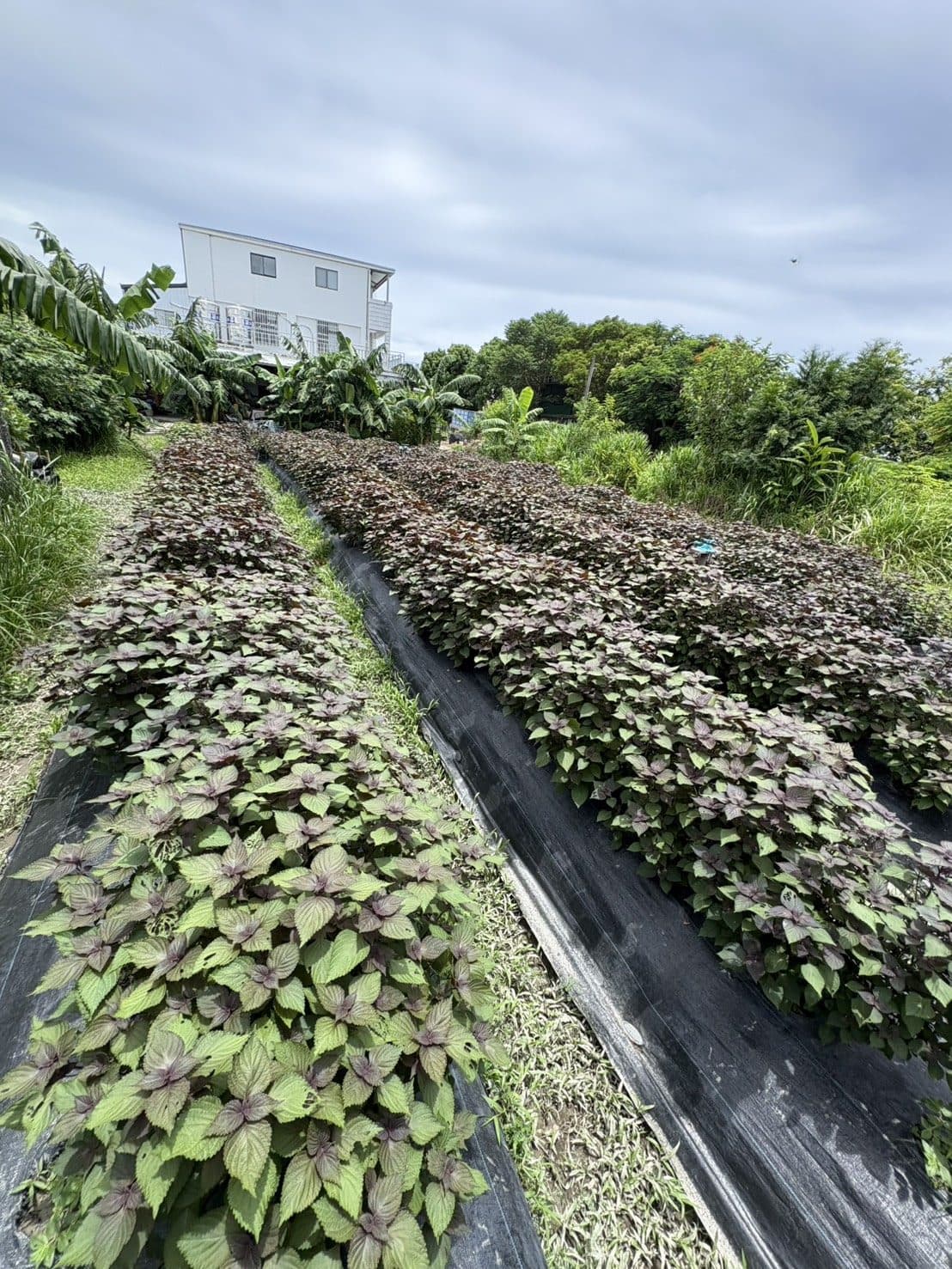
台東縣台東市 | 社團法人台東縣康復之友協會
人照顧土地,土地滋養人心
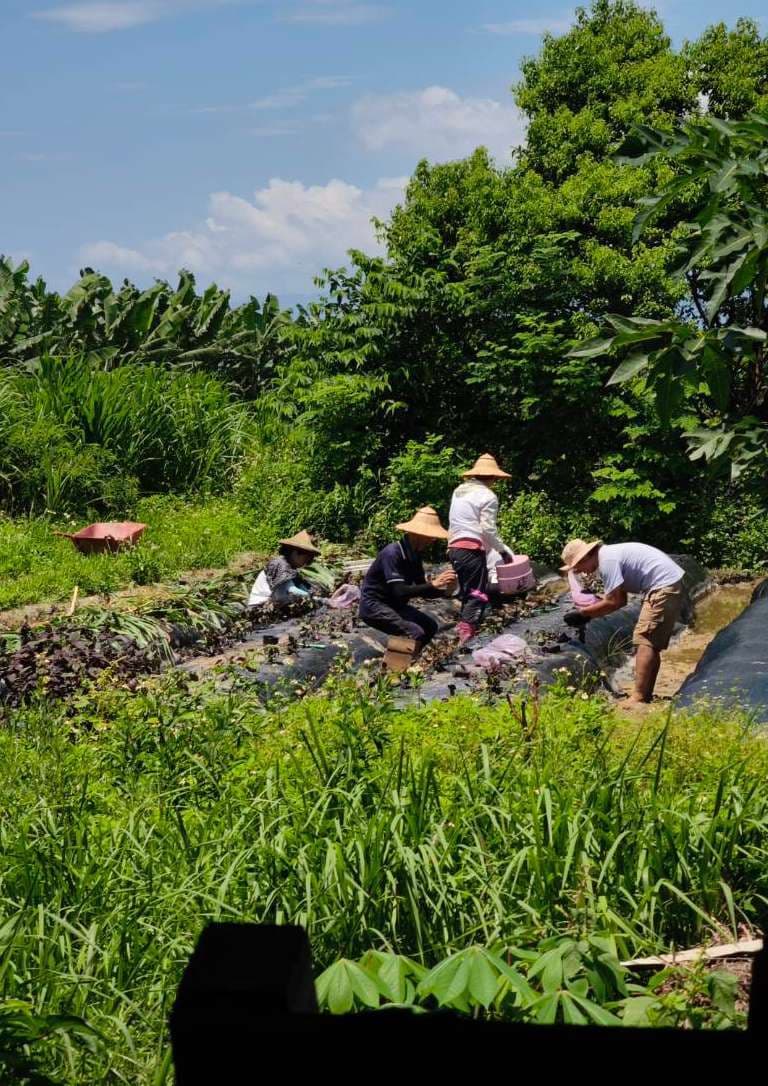
Named after the biblical promised land. The association supports people recovering from mental illness; the perilla seedlings' hard first two months — bolting under stress, then pests — became the team's own story of not giving up.
宜蘭縣 | Name withheld at the partner's request
Profile in preparation.
2026Q4 · photographed by the farm at the moment of harvest and packing
Every batch of herbs carries a traceable record: harvest, packing and transport are each logged with photographs taken on the spot — an internal check, and a way for supporters to see the whole journey.
19batches
Traceable batches to date
0batches
New batches this quarter
40photos
Harvest / packing photo records
6farms
Farms with traceability in place
1. Harvest
Farms photograph the harvest as it happens, recording crop, quantity and method
2. Packing
Photographed again at weighing, confirming item and weight against the harvest record
3. Shipping
The delivery note carries the batch number; the recipient scans the QR code to trace the whole chain
Open any batch to see which farm it came from and how it was harvested and packed — this is what we mean by auditable.
 Shipped3 photos

🌱 花蓮習藝所-少家農場
 Shipped4 photos


🌱 美地農園
 Shipped4 photos


🌱 靜鴻家園東源1347
 Shipped8 photos

 +4
+4🌱 知星園友善農場
🌱 知星園友善農場
🌱 美地農園
This is what we record for our corporate partners — every purchase you make can become a traceable record of social impact like this.
Each card follows one chain: what Selvans puts in, what we do, what can be counted, and what has changed. Figures marked live come straight from approved weekly farm reports; 2030 targets are shown separately and are not results. Live figures as of 06/10/2026.
Promote productive activities and decent work
Inputs
Activities
Outputs
Outcomes
2030 target: Train 500 participants from disadvantaged backgrounds in farm work, with 30% moving into stable employment.
Reduce inequality and promote inclusion
Inputs
Activities
Outputs
Outcomes
2030 target: Extend the model to 100 social-welfare organisations and bring 100 companies in through sustainable procurement.
Provide sustainability information for responsible lifestyles
Inputs
Activities
Outputs
2030 target: Supply disclosable ESG data to 100 corporate partners.
Protect ecosystems and halt biodiversity loss
Inputs
Activities
Outputs
2030 target: Reuse at least 30% of agricultural waste.
Credible data comes from process. These are the governance mechanisms Selvans runs today, and where each one stands:
Corporate partners receive dedicated impact data: quarterly updates, company attribution, and alignment with assessment indicators.
View partnership tiers