2026-09-25 · Insights · By Tu Chung-Hsuan · 中文版
Xishou Herb Partnership: Three Years With a Social-Welfare Farm
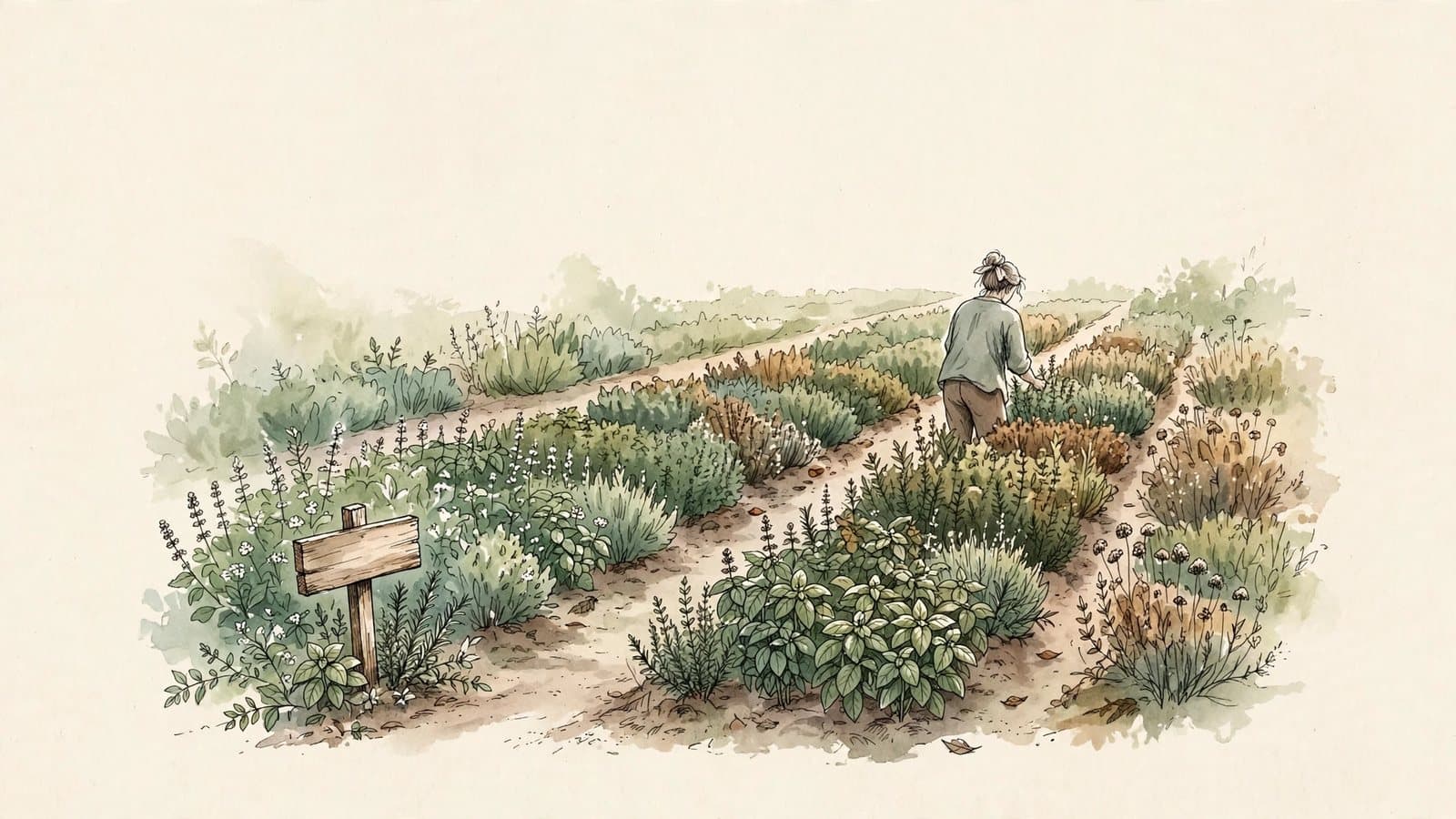
The Xishou Herb Partnership is a three-year journey shared by one company and one farm run by a social-welfare organization. What those three years leave behind is a continuous record from the same farm: how much work the participants did there each week, how the land changed season by season, and what your employees saw each time they came back in a different season.
What kind of partnership is this?
For three years, your company buys herb products and services from Selvans Social Farm, and that business lets one social-welfare farm operate steadily for all three years. The farm works only with your company during those three years, and a "Xishou Herb Partner Company" sign is put up on site.
There are a few things we make clear up front:
- This is a purchase, not a donation. Your company buys gift boxes, events and documentation services, and Selvans issues invoices. You are not buying the work hours of disadvantaged workers.
- The farm remains the partner organization's farm. Its name does not change, and the care and work arrangements for the people it serves are decided by the organization based on its professional judgment. Whether participants show up for work is never a condition of any deliverable.
- What Selvans pays the partner organization for contract farming and commissioned work is fixed each year, regardless of how prices are negotiated with the company.
- Photos and video show only the land, the crops, hands and people from behind. No faces and no personal stories, and the partner organization can review anything before it is used publicly.
What you receive over three years
- Gift boxes for two holidays a year: with a sleeve carrying your company logo and a traceability record, so recipients can scan and see where the herbs came from.
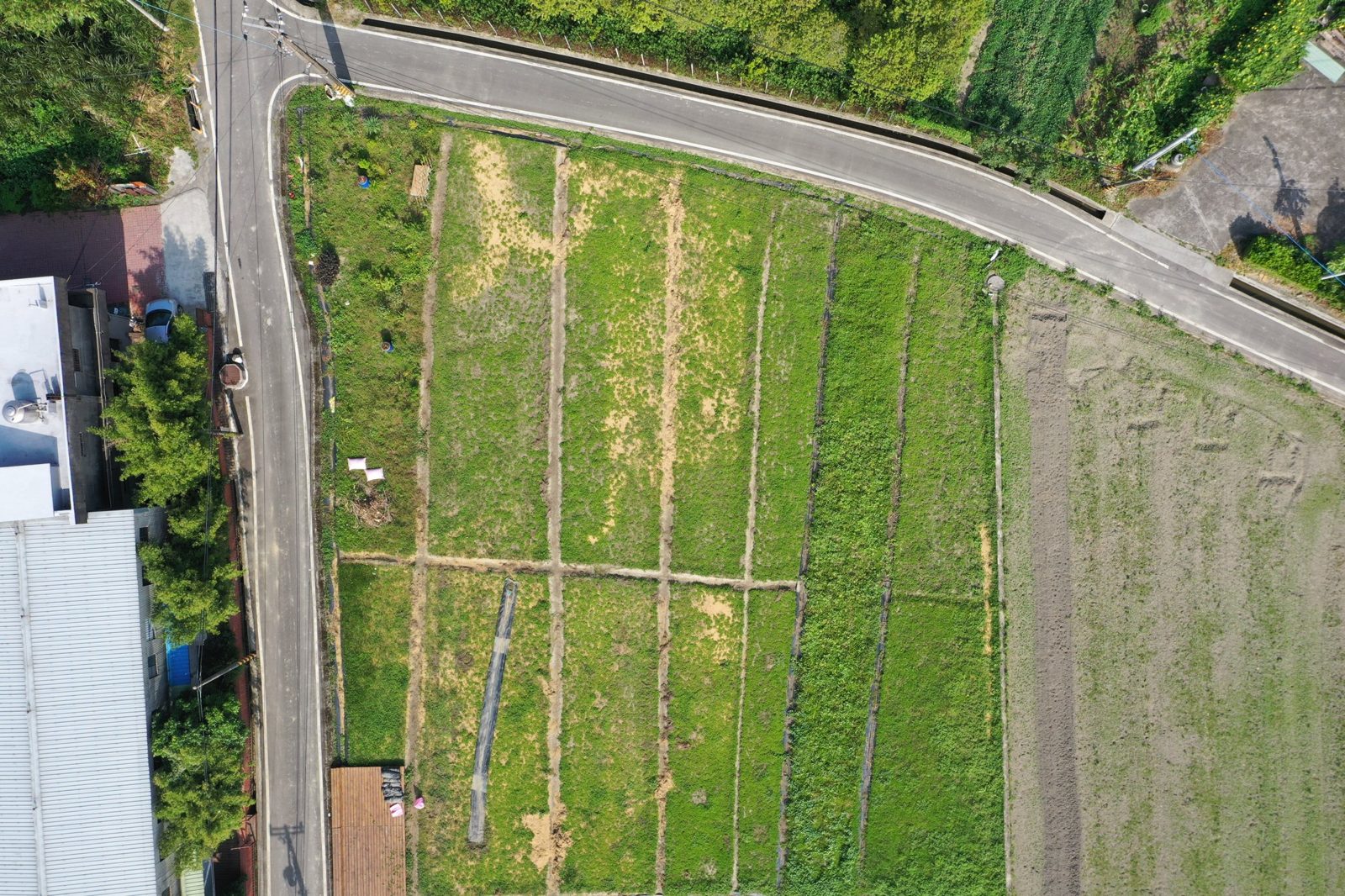
- Employee farming days: several a year, with employees returning to the same farm. The herb cuttings your employees plant are moved into the farm's fields a few months later.
- Three years of footage: time-lapse video, quarterly short videos and an annual film, ready for your website, annual report and social media.
- Operating records and evidence: the farm reports its work, participation hours, harvest and environmental observations in the system every week. Each report is checked by the system, and anything questionable goes to manual review before it is counted. Records are compiled into a data pack every quarter, and once a year into evidence you can cite in your report.
Why three years?
One year of data is just a number. It takes three years to see change.
- Year one, setting a baseline: weekly records begin, and employees visit the farm for the first time.
- Year two, seeing trends: the same farm now has a point of comparison, and season-by-season changes can be charted.
- Year three, compiling results together: three years of records are turned into a passage you can cite in your report.
Writing in your report that "for three consecutive years, we partnered with the same social-welfare farm, and here is how its operations changed" is much closer to what this partnership really is than describing a one-off transaction. Three years is the framework, but each year is still a separate annual order, and you can adjust or withdraw before each year begins.
How is the farm chosen?
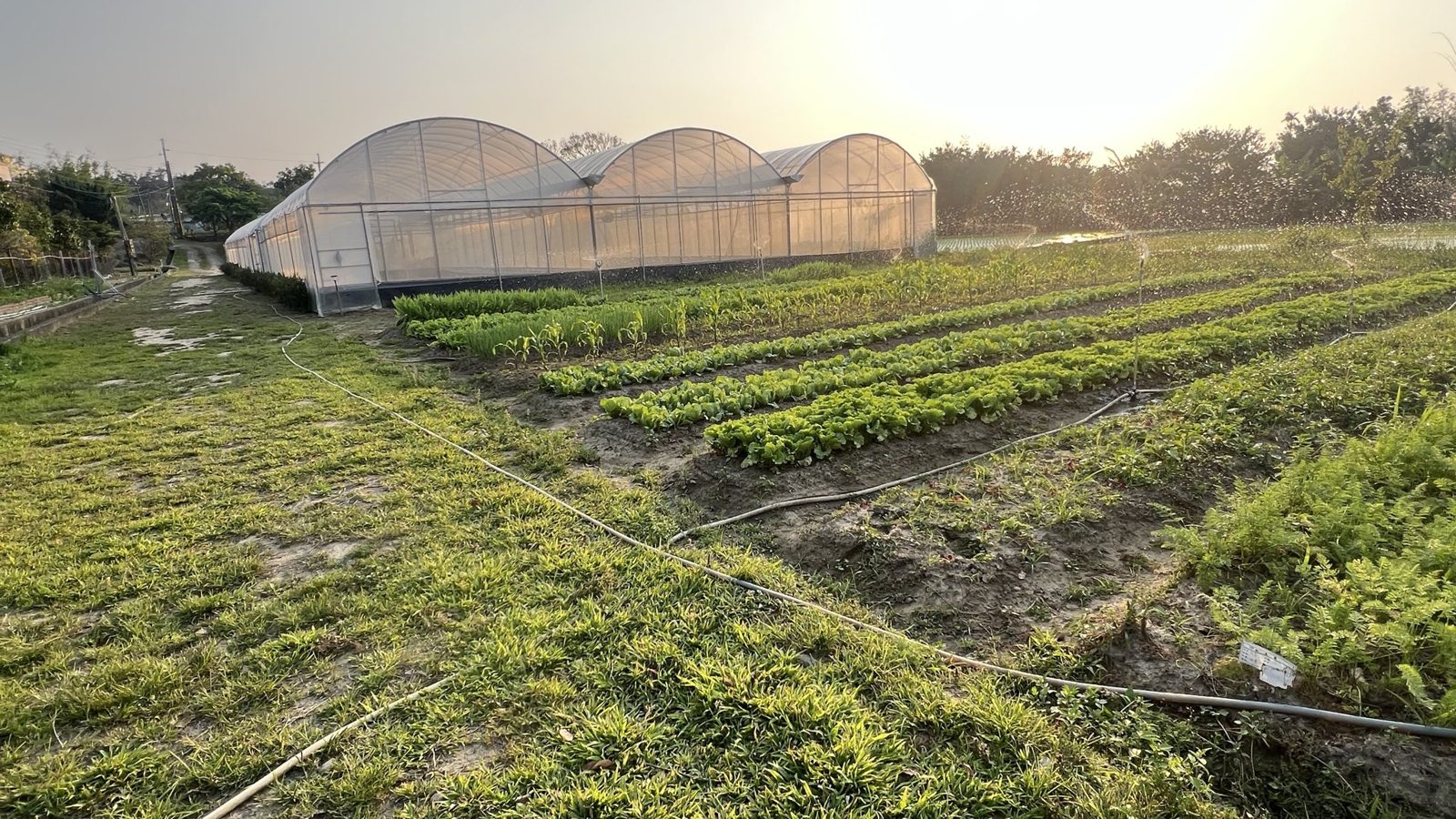
The most practical starting point is where your company operates. The first requirement of S-3 (Promoting Community Development) in Taiwan's ESG evaluation is to describe the scope of the communities where the company is located. If the partner farm is in a city or county where your company operates, that requirement is met quite naturally.
Selvans' social-welfare partner farms are spread across 7 cities and counties, but whether a farm joins the Xishou Herb Partnership is up to the organization that runs it. When we talk, we will first explain which farms are currently available to be paired, and we will not promise anything we cannot deliver.
Which evaluation indicators it relates to
- S-3 Promoting Community Development: employment hours for disadvantaged workers and participant counts are the main results of this partnership.
- G-32 Sustainable Development Results: three years of weekly records can support a description of "specific measures and implementation results."
- E-14 Biodiversity: eco-friendly farming and species observation records can serve as material on implementation. However, the first part of E-14 asks whether "the company has set and disclosed a biodiversity policy or commitment." Your company needs its own commitment first; only then do these records have somewhere to go.
Frequently asked questions
How much does the Xishou Herb Partnership cost?
It depends on the number of gift boxes, the number of farming days and the depth of documentation, and is quoted per project. You can request a plan overview through Contact Us. We will start by learning where your company operates and what you want to achieve.
Can several companies partner with the same farm?
No. Each farm works with only one company for the three years, so results are never counted for more than one company. That keeps things clear when your report undergoes assurance or evaluation.
Do employees have to visit the farm?
It is not required. But the warmest part of this partnership is employees seeing the same farm change across the seasons and doing farm work alongside the participants at least once.
If we don't renew after three years, can we still use the earlier records?
Yes. All records already produced are kept; there simply will be no new records going forward.
Scope and limitations
Before including any of this in your report, please keep the following in mind:
- The records cover only the supply chain of Selvans' partner farms, not your company's other suppliers.
- Selvans provides reference material on implementation. It is not a compliance certification, and whether and how to disclose it is your company's decision.
- The data are self-declared by Selvans and its partner farms, with supporting documents and an audit trail. They have not been reviewed by an external assurance provider. Species identification uses third-party community identification on iNaturalist.
- Platform totals are not the same as any single company's impact. What your company can cite is the portion attributed to this partnership.
- Please do not use these records for carbon sink or carbon neutrality claims. Those require a methodology, a baseline and proof of additionality, and we have none of the three.
Further reading
2026-10-04
What Is Social Farming? How It Differs from Sheltered Farms
Social farming puts agricultural production first and gives people who need support real work. How it differs from sheltered farms and horticultural therapy.
2026-09-25
How to File for Buying Power in 2026: Dates, Scoring, Documents
A guide to filing for Taiwan's Buying Power social innovation procurement awards in 2026: the purchase period, deadline, scoring tiers and documents.
2026-09-25
ESG Gift Box QR Traceability: See Where the Herbs Came From
A QR code on a corporate ESG gift box shows recipients which week and which social-welfare partner farm the herbs came from, and what stays private.
About Selvans Social Farm
Selvans Social Farm (思凡自然農園) is a social farm in Daxi, Taoyuan, Taiwan. We have farmed in Daxi since 2019 and registered as a business in 2022. We grow herbs without pesticides together with 8 farms run by social-welfare organizations in 7 counties and cities, so that people with disabilities and people in mental-health recovery have paid work on the farm.
Want to see how your company could start?